
Search Lafayette County Property Tax Records
Lafayette County Property Tax Records are easiest to follow when you start with the offices that maintain the bill, the parcel, and the recorded ownership trail together. A search by address or parcel number can lead from a current tax bill to the assessment details, the ownership update, or the deed that explains the change. That makes the county's public pages useful for routine payment checks, parcel review, and historical research. It also helps when a record needs to be matched against a map layer, a mailing address, or a document image already on file.
Lafayette County Property Tax Records Portal
The Lafayette County Treasurer page at https://www.lafayettecountywi.org/treasurer/ is the main county entry point for property tax search, tax and assessment data, second installment collection, delinquent processing, real property lister services, settlement administration, and municipal coordination. For Lafayette County Property Tax Records, that page matters because it ties the current bill to the county office that keeps the collection side moving. It is the place to start when you want a local record rather than a third-party summary.
The county's public workflow works best when the parcel number, address, and tax year all point to the same property. If a mailing address changed, if a parcel split, or if a payment was posted under a slightly different record label, the treasurer page and the parcel data can still help you line up the file. That is especially useful when you need to confirm whether a balance is current, whether the bill is in the second installment cycle, or whether the county has already moved the record into a delinquent queue.
The treasurer office is the county-side contact point for those questions, so the search result should be read with the office record beside it. That approach keeps the public parcel view, the payment status, and the county's working notes in the same frame.
The Lafayette County Treasurer page at https://www.lafayettecountywi.org/treasurer/ shows the office that keeps those tax records moving.
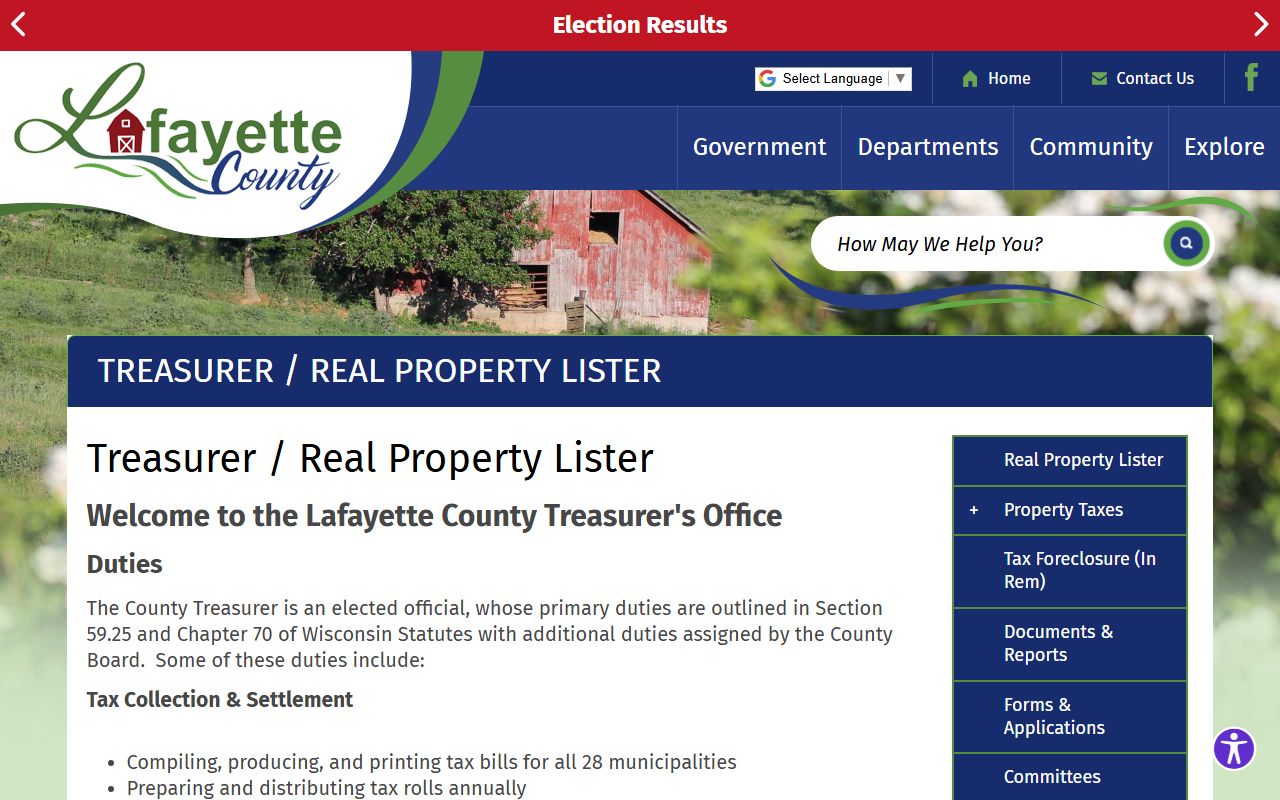
That office is the best first stop when a tax question needs county staff, not just a screen result.
Lafayette County Property Tax Records and Treasurer Services
The Lafayette County Treasurer is located at 626 Main Street, Darlington, WI 53530, and the office phone number is (608) 776-4862. The office handles property tax search online, tax and assessment data, second installment collection, delinquent processing, real property lister services, settlement administration, and coordination with local municipalities. That makes the office central to Lafayette County Property Tax Records when a bill needs to be paid, verified, or traced through the county's collection process.
The treasurer side of the record matters because a property tax bill is not just a number on a page. It is also a payment schedule, a settlement trail, and a collection status that can change as the county processes the year. If you are checking a receipt, comparing a balance, or trying to understand why an installment is still open, the treasurer office is where the county's answer begins. The office can also point you toward the right parcel file when the bill and the property description do not line up cleanly.
For Lafayette County Property Tax Records, the practical habit is simple. Start with the bill, then confirm the parcel, and then compare the county office record against any copy you already have. That sequence reduces guesswork and keeps the payment trail clear.
Lafayette County Property Tax Records and Real Property
The county's real property lister page at https://www.lafayettecountywi.org/treasurer/page/real-property-lister covers Ascent tax and assessment data, parcel maintenance, ownership updates, roll prep, tax bill printing, characteristics, address changes, assessor coordination, GIS, and public inquiries. That office is where Lafayette County Property Tax Records are kept aligned before a bill reaches the public search layer. It is the source of the parcel details that make the tax record readable.
This office matters when a record changes for reasons that do not show up in the tax bill itself. A new owner may appear after recording, an address can shift without changing the parcel number, and property characteristics can be updated after assessor review. The real property lister is the county's bridge between the assessment file and the tax roll, so the public record stays usable even when a parcel is being updated behind the scenes.
That makes the real property page useful for anyone comparing a current lookup with older paperwork. If the bill, map, and ownership line do not match, the parcel maintenance notes often explain why.
The Lafayette County real property lister page at https://www.lafayettecountywi.org/treasurer/page/real-property-lister shows the office that keeps parcel details current.
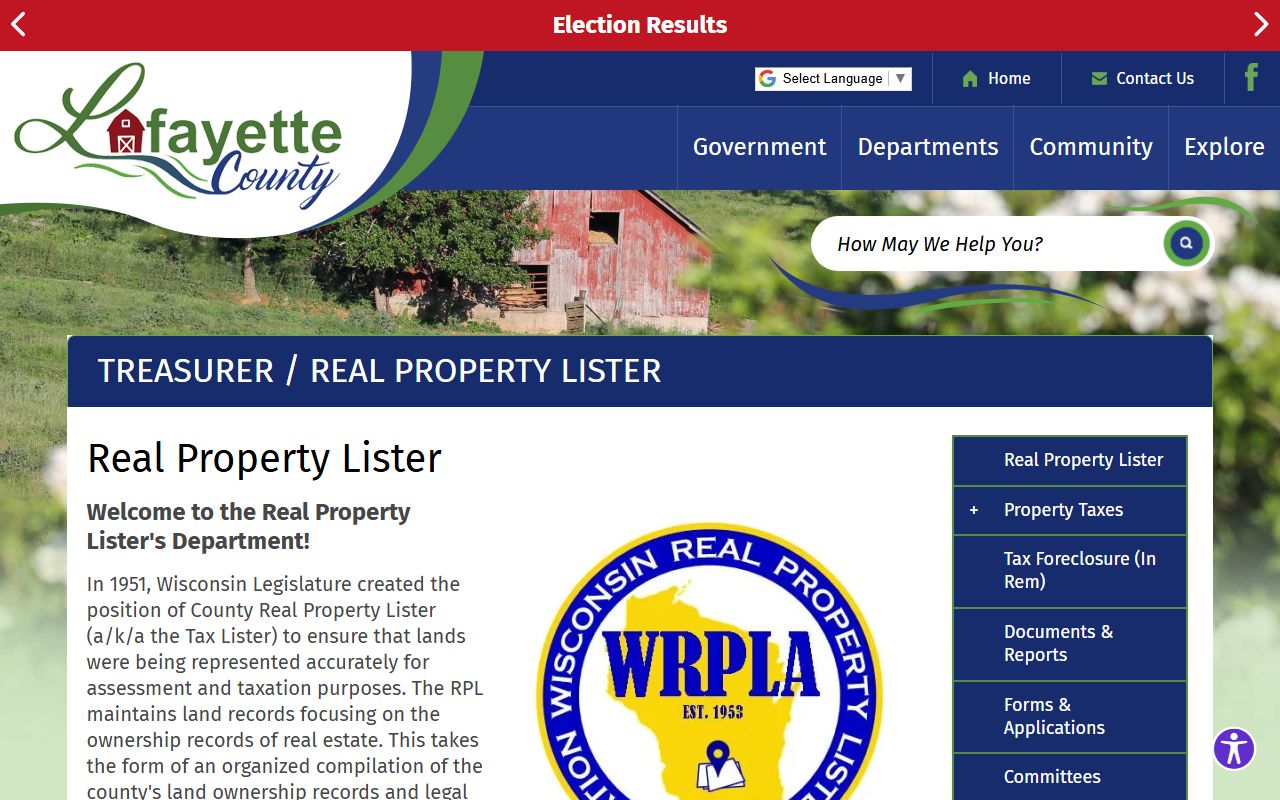
Use it when a tax record needs an ownership, address, or parcel correction.
Lafayette County Property Tax Records and Deeds
The Register of Deeds at https://www.lafayettecountywi.org/register-of-deeds/ is the county's recording office for land records, online access, copy and certification requests, historical records, UCC filings, plats, and vital records. The office phone number is (608) 776-4838. For Lafayette County Property Tax Records, the deeds office matters because a parcel's tax history often makes the most sense after you compare it with the recorded document trail.
A deed search can answer questions that a tax bill cannot. It can show when ownership changed, what legal description was recorded, and whether a document image exists for the parcel you are studying. That matters when a tax record looks current but the title history suggests a recent transfer, or when a parcel is tied to a plat that needs to be checked against the map. The Register of Deeds page is where the recorded side of the property record can be verified before you draw a conclusion from the tax roll alone.
For older parcels, the historical record is often the key. A land record image, a plat, or a certified copy can explain why the tax record carries a specific owner name or legal description.
Wisconsin Property Tax Records Guidance
When Lafayette County Property Tax Records need statewide context, Wisconsin's tax framework is the next step. Wis. Stat. Chapter 70 sets the general property tax structure, Wis. Stat. Section 70.47 covers the Board of Review process, and Wis. Stat. Section 70.85 describes a Department of Revenue appeal path for eligible properties. Those references help explain how a value dispute moves from an informal review to a formal hearing or appeal.
The Department of Revenue also offers property tax administration resources and the Wisconsin Property Assessment Manual. Those pages are useful when you want to understand how assessments, equalized values, and local tax roll work fit together. If a parcel is agricultural, the county record can also be read with use-value principles in mind, which is why the manual matters when the number on the bill looks different from what the market would suggest.
Two DOR publications are also helpful for a close read of the record. PB-055 explains the appeal process, and PB-060 is a property owner guide. They are best used after you have the county parcel file in front of you, since the statewide rules only make sense when they are matched to the local record.
Note: County records, state guidance, and recorded documents usually answer different parts of the same question, so it helps to compare them before you decide the file is wrong.
Delinquent Lafayette County Property Tax Records
The Lafayette County property taxes page at https://www.lafayettecountywi.org/treasurer/page/property-taxes explains how to pay online, how to search tax records, how tax foreclosure in rem works, and which documents and forms support the county's delinquent procedures. It also covers due dates, interest and penalties, and the tax deed process. For Lafayette County Property Tax Records, that page is the clearest local reference when a bill is no longer just current, but has entered the county's collection path.
Delinquency changes the meaning of the record. A bill that was once a routine payment check becomes a collection file, and the county's notes matter as much as the amount due. If a parcel has moved past the original due date, the treasurer's collection record and the property taxes page should be read together so you can see whether the issue is a posted payment, a missing installment, or a tax deed step that is still in progress. That keeps the record from being read too narrowly.
The county tax record can also point to supporting forms or notice language that explain where the parcel stands. When that happens, the public search result is still useful, but the paper trail behind it becomes more important than the balance line alone.
The Lafayette County property taxes page at https://www.lafayettecountywi.org/treasurer/page/property-taxes is the local reference for those delinquent steps.
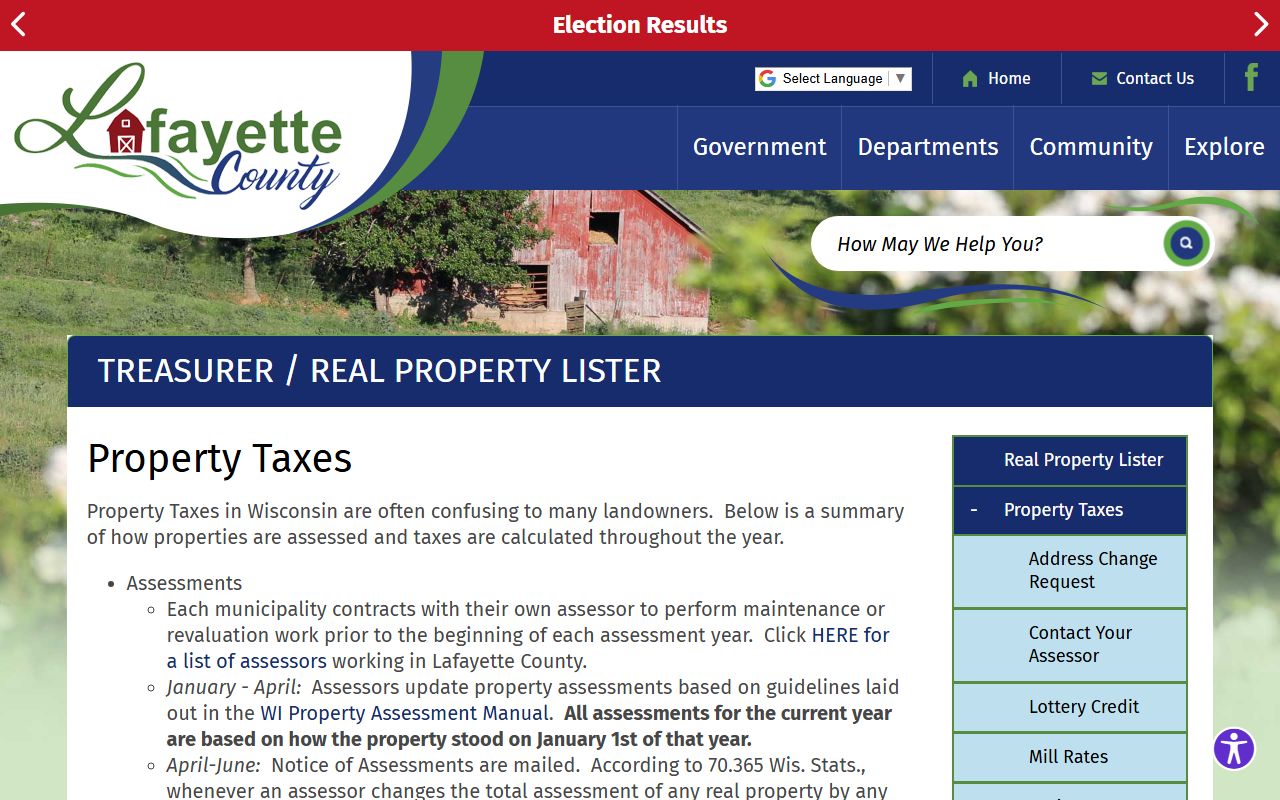
Use it when a current bill has turned into a due date, penalty, or deed question.
Note: A delinquent search is most useful when you keep the bill year, parcel number, and payment dates together in one note.
Lafayette County Property Tax Records Search Tips
Good Lafayette County Property Tax Records searches start with the most stable detail you have. If you know the parcel number, use that first. If you only have an address, check for spelling changes, unit numbers, or older mailing labels before you treat the result as complete. The county's treasurer, real property lister, and Register of Deeds pages can each confirm a different part of the record, so matching the bill to the parcel and the deed is usually the fastest way to avoid a false match.
It also helps to keep the tax year in view. A record from one year may not show the same owner, address, or balance as the next year, especially after a transfer, split, or collection update. If a result seems off, compare the current tax page with the recorded document and the property description, then use the search widget below to run the lookup again with the alternate detail. That approach is steady, simple, and usually enough to separate a bad match from a real problem.
When you are done, the county pages should tell one story. The bill, the deed, and the parcel file should all point to the same property.